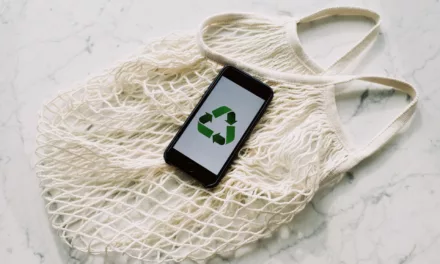
Reduce, reuse, and recycle: Minimize the amount of waste you produce by recycling and reusing materials when possible.
Conserve energy: Use energy-efficient appliances, turn off lights and electronics when not in use, and consider investing in renewable energy sources like solar or wind power.
Conserve water: Fix leaks, take shorter showers, and use water-efficient appliances.
Reduce transportation emissions: Walk, bike, or use public transportation instead of driving alone, and consider purchasing a fuel-efficient or electric car.
Eat a sustainable diet: Consider a plant-based diet or reducing meat consumption, which have a lower environmental impact than diets heavy in animal products.
Invest in sustainable products: Purchase products made from sustainable materials, and buy from companies that have environmentally-friendly business practices.
Shop locally: Support local farmers, businesses, and artisans to reduce the environmental impact of transportation.
Plant a garden: Grow your own fruits, vegetables, and herbs to reduce your carbon footprint associated with food transportation
Reduce air travel: avoid non-essential air travel, or offset the emissions if you must fly.
Support conservation and environmental causes: Consider supporting organizations that work to protect endangered species and habitats, conserve natural resources, and promote sustainable practices.